
Xi Jinping, Trump and Putin Meet in China: Why Is China So Important on the World Stage?
When we think about China, the first things that often come to mind are the Chinese language, traditional culture, calligraphy, Chinese cuisine or thousands of years of history. Yet China is much more than a country with a rich cultural heritage. Today, it is one of the world's most influential countries, playing a major role in the global economy, technological development, international trade and political affairs.
Getting to know China, therefore, is not simply about learning its language or discovering its customs and traditions. It is also about understanding a country that increasingly shapes the world we live in.
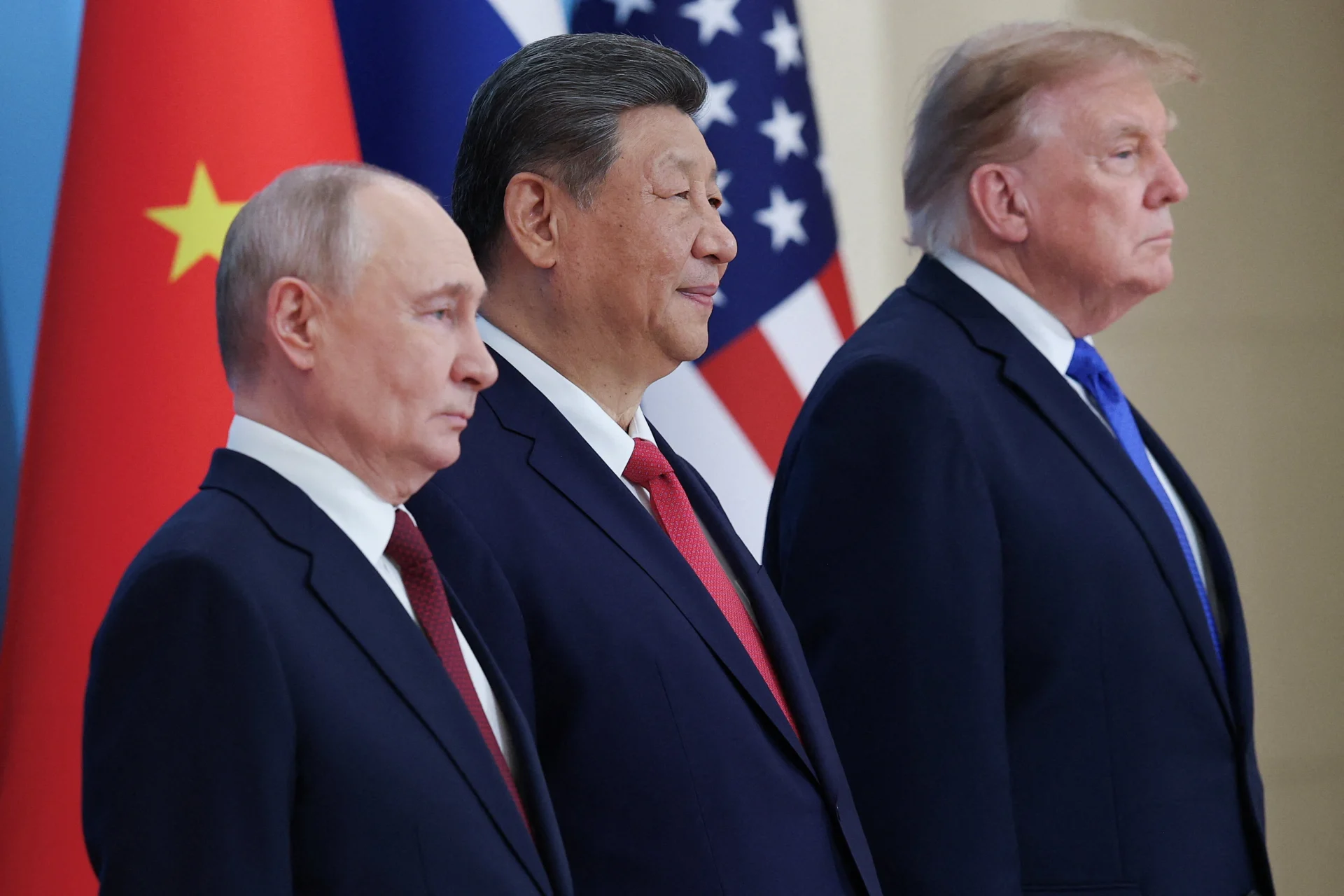
One recent event that once again drew international attention to China's importance was the meeting between Chinese President Xi Jinping, US President Donald Trump and Russian President Vladimir Putin, held on November 19, 2026, in Shenzhen, during the APEC summit. It was the first trilateral meeting between the leaders of these three major powers. The fact that China hosted such a gathering highlights its important position in contemporary international relations.
But why does China matter so much, and how did it become one of the world's most influential countries?
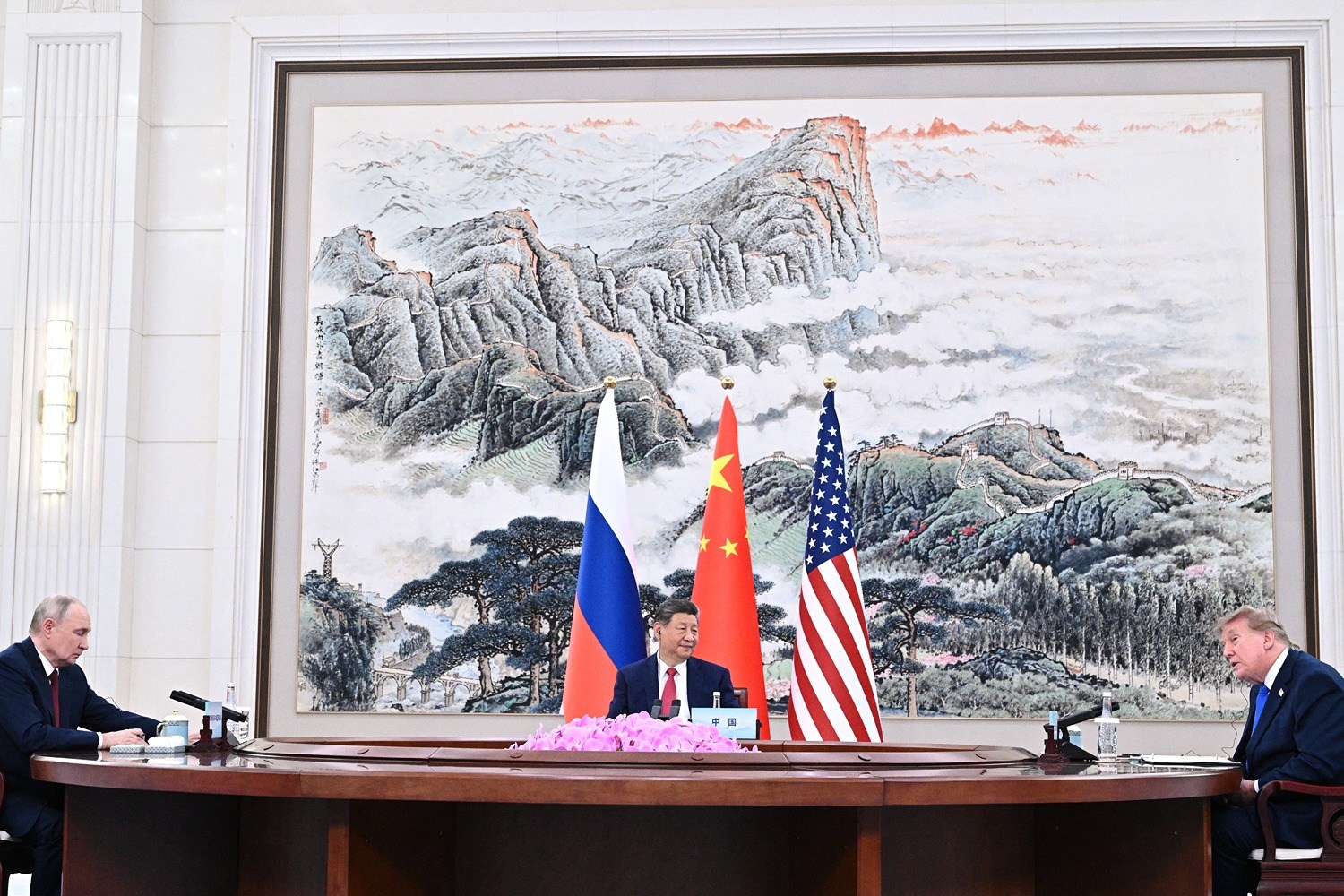
Chinese President Xi Jinping, US President Donald Trump and Russian President Vladimir Putin during their trilateral meeting in Shenzhen, China, on November 19, 2026.
From an Ancient Civilization to a Global Power
China has one of the world's oldest continuous civilizational traditions. Its history, philosophy, literature and arts have influenced not only East Asia but also broader ideas about culture, education and social development.
The teachings of Confucius, traditional Chinese medicine, inventions such as paper, the compass, printing and gunpowder, as well as China's rich literary and artistic heritage, are just a few examples of the country's contributions to the world.
However, modern China cannot be understood through its past alone. Over the last few decades, the country has undergone enormous economic and social transformations. Since the beginning of its reform and opening-up policy in the late 1970s, China has become one of the world's largest economies and a major centre of international trade.
This transformation has changed not only Chinese society but also the way the global economy works.
China Is Part of Our Everyday Lives
Even when we are not actively thinking about China, its influence is often much closer to us than we realise.
Electronic devices, car components, household appliances, clothing, toys and countless other products are connected to Chinese manufacturing and trade. China plays a crucial role in global supply chains, with an industrial sector covering everything from textiles and electronics to batteries and electric vehicles.
However, the image of China as a country focused solely on manufacturing is long outdated.
Today, China is also a major player in technological development. Artificial intelligence, telecommunications, electric vehicles, renewable energy and digital services are just some of the fields in which Chinese companies and research institutions are becoming increasingly influential.
This is why understanding China matters even to people who have no particular interest in politics or international relations. Developments in China's economy and industry can affect markets, businesses and people's everyday lives around the world.
Why Does China Matter in International Relations?
Economic strength is only one part of China's global influence. China is a permanent member of the United Nations Security Council, and its decisions and positions carry considerable weight in many international matters.
Its relationships with the United States, Russia, European countries and its Asian neighbours are an important part of contemporary diplomacy. Issues such as trade, security, technology, energy and international cooperation often cannot be discussed without taking China's interests and positions into account.
The meeting between Xi Jinping, Donald Trump and Vladimir Putin in Shenzhen is a good example. The three leaders discussed international security, nuclear weapons and other global challenges. Although the summit did not resolve all the issues on the table, it demonstrated how important China's participation is in discussions about the future of the world.
For Beijing, this diplomatic role is also important because China seeks recognition not only as an economic power but also as a country actively involved in shaping international relations.
Understanding China Means Understanding a Different Perspective
One of the reasons why China is particularly interesting to explore is that its society, history and ways of thinking have certain distinctive characteristics that cannot be fully understood through a European perspective alone.
Chinese culture places considerable importance on historical continuity, family, education, social relationships and collective experience. Of course, contemporary Chinese society is diverse and cannot be reduced to a handful of traditional values. Nevertheless, understanding its cultural and historical background can help us better understand how China approaches certain issues, builds international relationships and presents its role in the world.
This is where learning the Chinese language becomes particularly meaningful.
Learning a language is not simply about acquiring new vocabulary, grammar rules and characters. It is also a way of discovering a different system of expression, a new culture and another way of looking at the world. As we learn Chinese, we gradually uncover the historical, social and cultural layers behind the language.
Knowledge of Chinese can be valuable in education, business, international cooperation, tourism and many other fields. As China's global importance grows, so does the need for people who understand not only the language but also the broader context of Chinese society.
China Is Not Just the Future – It Is Already Part of Our Present
China cannot be understood solely through news about its economic growth, political decisions or international summits. In the same way, it cannot be understood only through its ancient temples, traditional festivals and rich cultural heritage.
Modern China brings all these elements together: a country with thousands of years of history that is simultaneously transforming at a remarkable pace, developing new technologies, expanding its international connections and taking an increasingly important role in global affairs.
That is why it is worth exploring China from different perspectives – through its language, culture, history, everyday life, economy and international relations. The more we learn about this country, the better we can understand the changes taking place beyond its borders.
Getting to know China is not simply about discovering a distant country. It is also an opportunity to better understand the modern world, its diversity and the connections that often link us in ways we do not even notice.