
Learning Chinese Characters – How to Start Without the Struggle
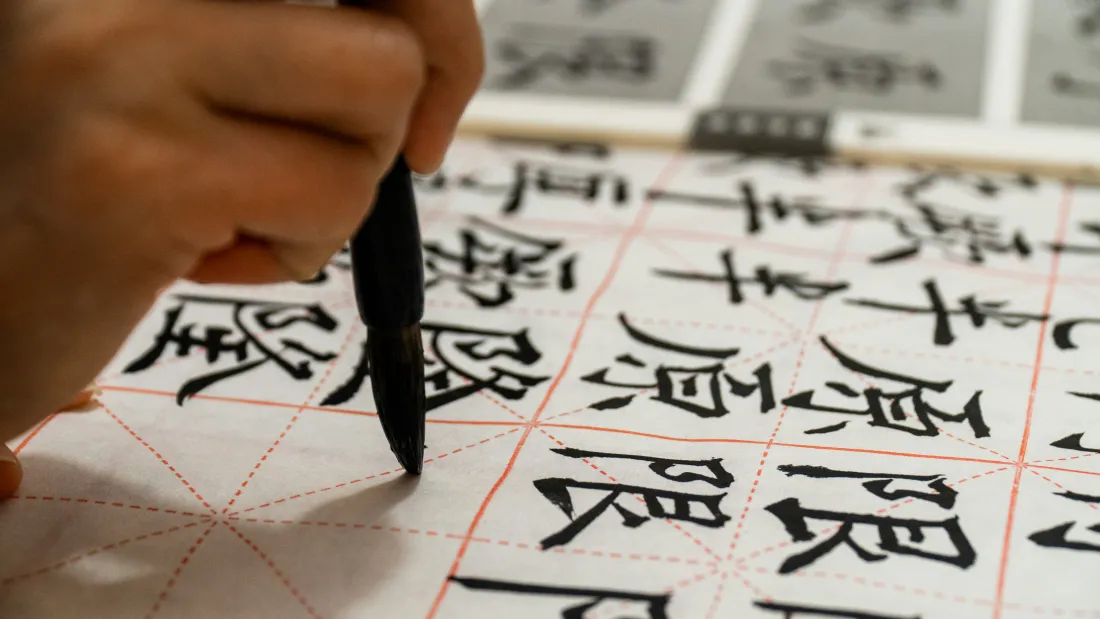
Where Learners Most Often Get Stuck
Learning Chinese characters can seem intimidating at first glance. That’s why one of the first things I hear from beginners is often:
Characters look way too hard—can I somehow avoid them?
Totally understandable. I thought the same at the time I was starting out.
But if you ask me now, characters might just be the most beautiful part of the Chinese language. You just need to know where to begin.
Busting Myths About Characters
Let’s start by clearing up some of the most common misconceptions about Chinese writing to make character learning easier.
One big reason why people give up on Chinese before they even start is fear of the characters. They seem abstract, complicated, and impossible to learn logically. But the truth is very different.
As native speakers of English or other Indo-European languages, we’re used to letters having fixed forms and words being made by stringing them together. But unlike our letters, a Chinese character represents a syllable. Each Chinese word is a visual whole, and every character carries meaning, sound, and often a picture.
This visual quality of Chinese characters is what can actually make them easier to learn!
You Don’t Need Thousands of Characters to Understand the Basics
Knowing just 100 to 300 characters is enough to understand basic language, signs in the metro, restaurant menus, and dialogues in textbooks.
What matters most is consistency!
Characters Aren’t Just Rote Memorization
There’s structure and logic in every character. They follow a specific stroke order and have a defined composition. Once you learn the basic components and how to write them, new characters become much easier—they’re no longer random scribbles but familiar elements you recognize.
You Don’t Need Good Handwriting or Drawing Skills
No one expects you to write like a calligrapher. As long as you follow stroke order, your characters will be neat and correct.
Writing characters is more like meditation than art—you learn rhythm, patience, and structure. Each stroke is a small step toward understanding.
Characters Are Connected to Pronunciation
Most characters have two parts: one that shows meaning (semantic component), and one that hints at pronunciation (phonetic component).
For example, the characters 妈 (mā – mom), 吗 (ma – question particle), and 马 (mǎ – horse) all share the component 马, which gives us a clue to pronunciation.
So the more characters you learn, the more you’ll be able to guess both the meaning and how a word might sound.
Why It’s Worth Starting With Characters From Day One
At first, learning characters might seem like the harder path—but in the long run, it makes Chinese much easier. Instead of relying only on pinyin and sound, learning characters helps you link meaning, shape, and pronunciation from the beginning. After just a few writing sessions, words start sticking in your visual memory.
Chinese characters work like puzzles. Once you learn the basic parts, it’s easier to “build” new words quickly. And it becomes much easier to read signs, texts, or messages written in characters alone.
Starting with characters gives you the sense that you’re truly understanding the language—not just mimicking sounds. And most importantly, it builds confidence because you know you’re laying a solid foundation without skipping steps.
What It Looks Like in Practice
If you want Chinese characters to become part of your knowledge, treat them like something you build bit by bit, day by day. Just 10–15 minutes a day is enough to review a few characters, write them out, and notice the patterns and logic. It might be just a couple characters at first, but after a week you’ll start seeing patterns—and that gives you the motivation to keep going.
The key is regular (not necessarily long) practice. Consistency beats intensity. The best results come from combining handwriting, recognition of meaning and pronunciation, and using characters in context (through example sentences or short dialogues).
“The First 100 Characters” – Email Course
That’s exactly the idea behind my email course, First 100 Chinese Characters. It’s a guided, simple email course with a short new lesson each day. Each lesson includes a fun fact or explanation, five new characters, their meaning, pronunciation, and extra space for practice.
At the start of the program, you’ll receive a mini guide that explains the origins and structure of characters—essential for truly understanding the writing system. On weekends, you’ll learn how to apply what you’ve studied, see how to combine learned characters into new words, and test your knowledge with engaging practice activities.
The lessons are short, clear, and designed to fit into your day without stress. Just 15–20 minutes a day is enough. If you want to follow a clear, supportive path without skipping around or getting overwhelmed, this course will help you build a strong foundation and real confidence through your first 100 characters!
Ready to start learning in a simple, structured, and enjoyable way?
👉 Click here to see all the details and join the course
Final Thought: Chinese Characters Aren’t a Barrier
If you’ve always been curious about Chinese, don’t let the characters scare you off. They’re not harder than anything else—just different. And anything different becomes familiar with enough time and attention.
All you need to do is to start. With daily practice, characters become something you understand and use—not something you just try to memorize.
So, if you want to learn Chinese in a grounded way—start Learning Chinese characters from day one. And if it helps to have someone send you small, clear lessons each day so you know what you’re doing and why, The First 100 Chinese Characters email course is here for you. A new cycle begins every month – sign up anytime and your first characters will land in your inbox around the 1st in a month! Check The First 100 Characters page or message me for details.
📩 Want more info? Send me a message or reach out via Instagram. Follow blog for more interesting content!
Mini Quiz: Can you guess the meaning of these characters?
Don’t worry—you don’t need to know Chinese. Characters often speak for themselves. Try to guess what these mean: