
Double Ninth Festival: A Celebration of Life and Respect
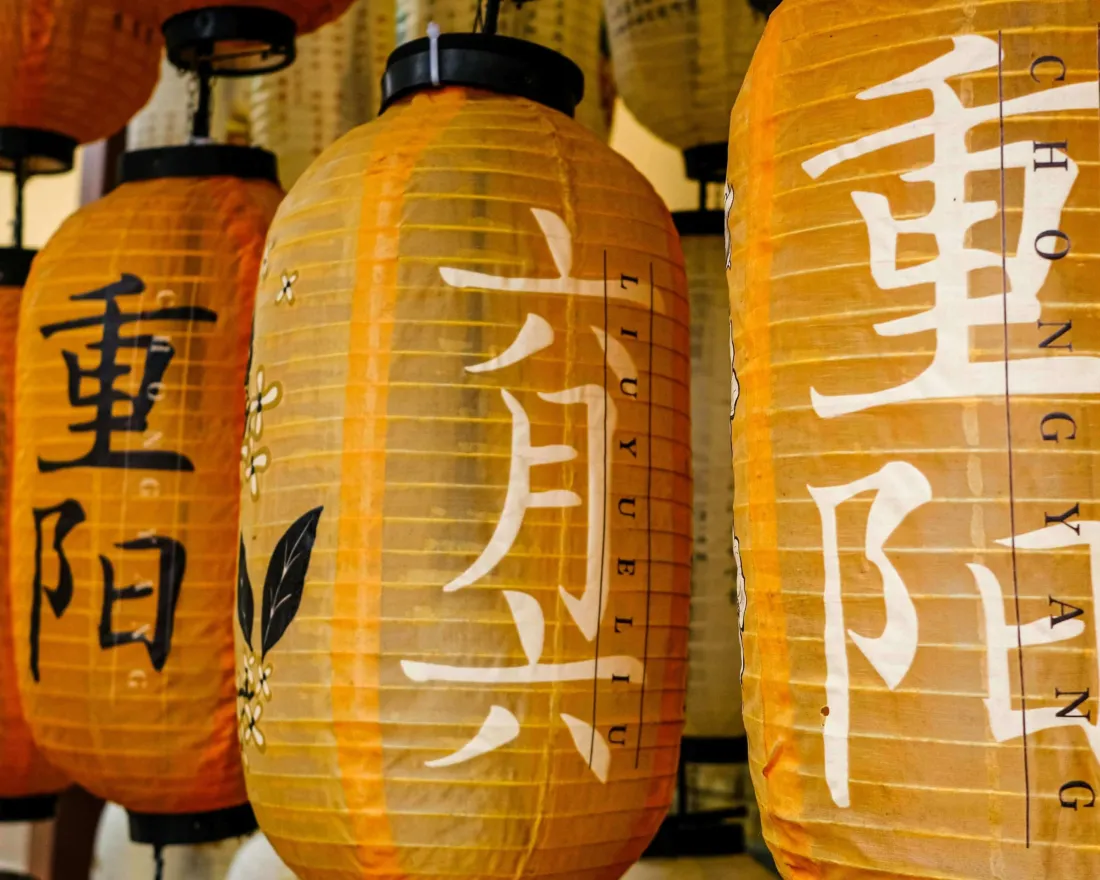
In China, the ninth day of the ninth month in the lunar calendar marks the Double Ninth Festival, also known as Chongyang Jie (重阳节, Chóngyáng). In Chinese culture, the number nine (九, jiǔ) is associated with longevity, as it is pronounced the same way as the word for “long-lasting” (久, jiǔ). Because of this connection, the festival symbolises long life, good health, and respect for the elderly.
Traditionally, it is celebrated by climbing to high places, enjoying chrysanthemum flowers, and gathering with family. Thanks to its rich symbolism, the number nine holds a special place in Chinese tradition, making this day one of the most meaningful celebrations of the year. In 2025, the Double Ninth Festival will fall on the 29th of October.
The Legend Behind the Double Ninth Festival
There is an old legend that explains the origins of this special day. According to the tale, many centuries ago, an evil spirit appeared in a Chinese province, spreading disease and death among the people. A young man named Huan Jing (桓景, Huán Jǐng) decided to find a way to protect his village.
He sought out a wise master named Fei Changfang (费长房, Fèi Chángfáng), who taught him martial arts and bestowed upon him a magical sword. On the ninth day of the ninth lunar month, Master Fei warned Huan to lead his family up to the highest nearby mountain. Each of them was to carry leaves from the Chinese date tree and drink chrysanthemum wine for protection.
Huan followed the master’s advice, and when the evil spirit appeared in the valley below, he confronted and defeated it with his sword. From that day onwards, people began to climb mountains, carry protective herbs, and drink chrysanthemum wine on this date, believing these acts would bring good fortune, health, and longevity. Thus, a beloved tradition was born — one that continues to be cherished even today.
Traditional Customs
One of the most well-known traditions associated with the Double Ninth Festival is climbing hills and mountains. This practice dates back to ancient times, when people believed that being at high altitudes brought good fortune and longevity, while also protecting them from misfortune. Even today, many Chinese people continue this custom — not only to honour tradition, but also to enjoy nature and the beauty of the autumn landscape. In modern China, climbing on this day is often linked with the wish for better health and inner peace.
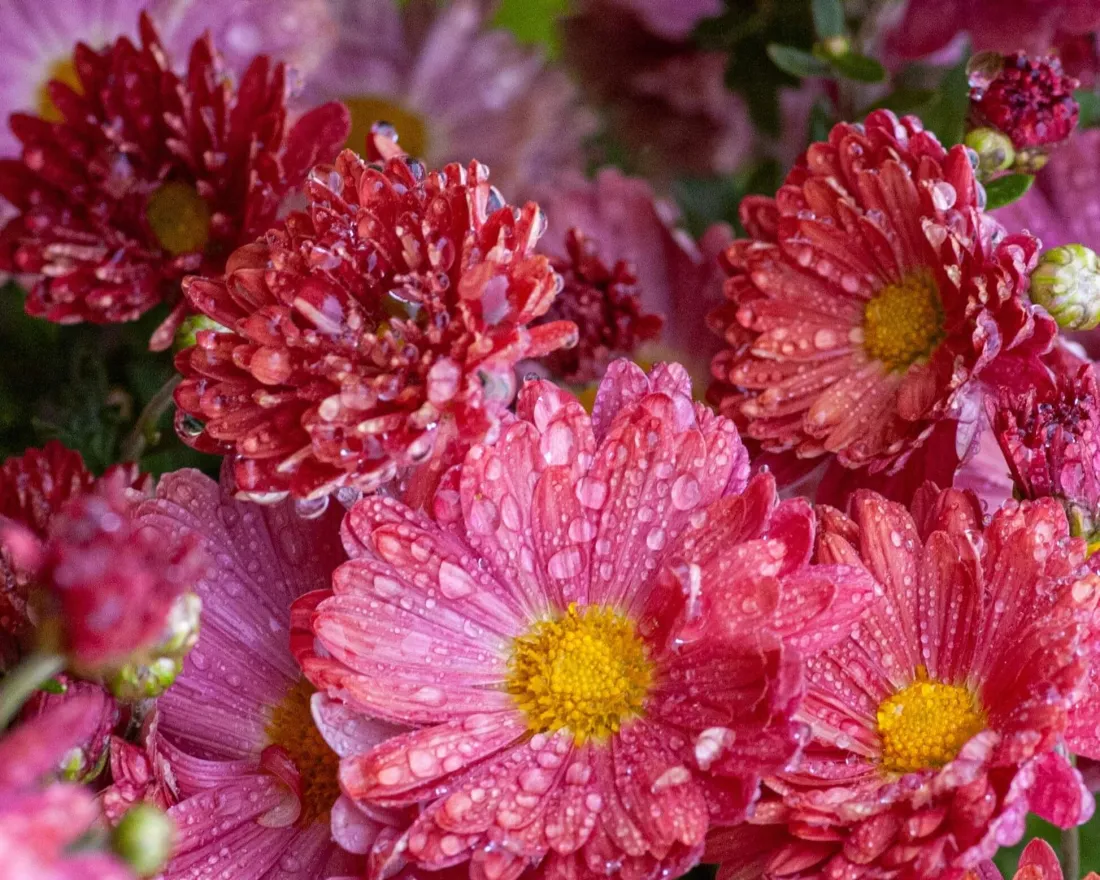
No celebration of the Double Ninth Festival would be complete without the chrysanthemum flower. The chrysanthemum symbolises longevity, vitality, and purity, and during the festival it decorates countless homes across China. The petals are often used to make tea or even wine, and drinking chrysanthemum wine is believed to promote health and strength, while also warding off evil spirits.
Another important custom is paying respects to one’s ancestors. People visit family graves, clean them, and offer symbolic gifts such as food, wine, or paper effigies representing items their ancestors might need in the afterlife. These acts serve not only as expressions of respect and remembrance, but also as a way to maintain a spiritual connection with one’s lineage. It is believed that caring for ancestors brings peace and prosperity to the living.
In contemporary China, many people mark this day by spending time outdoors with their families, visiting elderly relatives, or gifting chrysanthemums as tokens of respect and gratitude. In this way, the spirit of the Double Ninth Festival continues to live on, passed down through generations as a beautiful blend of nature, health, and family values.
Food of the Double Ninth Festival
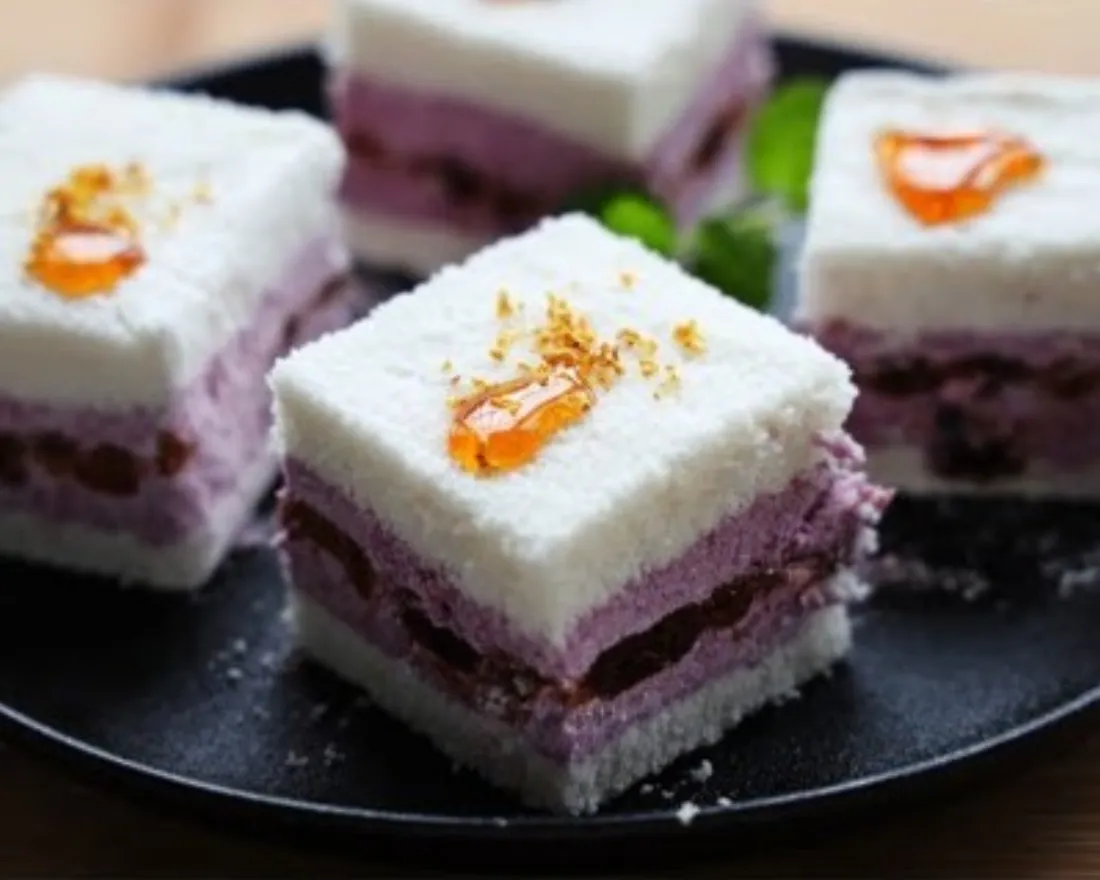
As with most Chinese festivals, food plays a deeply symbolic role during the Double Ninth Festival. The most iconic dish of the day is the Double Ninth Cake (重阳糕, Chóngyáng gāo). Interestingly, the word for “cake” (糕, gāo) sounds identical to the word for “high” or “tall” (高, gāo) in Chinese. Because of this, eating the cake is believed to bring progress, growth, and success in life.
Traditionally, the Double Ninth Cake is layered and decorated with nuts, dried fruit, or dates. Each layer represents a step toward longevity and wisdom. In the past, families carried the cake when climbing mountains during the festival. It was offered to the gods as a charm for a safe return home.
Today, the custom continues in a modern form. Many families bake the cake at home or buy it for elderly relatives. It is a way to show respect, gratitude, and wishes for good health and long life. Recipes differ across China. In some regions, the cake is like steamed dough; in others, it looks more like a sweet pastry. Despite these differences, the meaning is the same — festival food brings happiness, health, and family warmth.
Besides the cake, people in some areas eat autumn fruits such as pears and apples. These fruits symbolise abundance and peace. Through such simple dishes, the spirit of the Double Ninth Festival lives on, passed from one generation to the next.
Interesting Facts
The Double Ninth Festival dates back to ancient times, yet it still holds a special place in China today. In modern society, it is often seen as Seniors’ Day, celebrating care and respect for the elderly. Schools, communities, and companies organise visits to care homes, gifts, and group activities that honour traditional values.
In the past, people viewed this day as protection against misfortune. Ancient Chinese believed that double yang (two nines) created strong energy. To balance it, they climbed mountains, drank chrysanthemum wine, and performed rituals for safety and peace.
Today, the festival is a time to enjoy autumn’s beauty. Families go on picnics, hikes, or simply spend time outdoors. In some cities, chrysanthemum festivals showcase fields of blossoms in full bloom. Because of this, the chrysanthemum has become a symbol of October in China.
The number nine also carries deep meaning. It is the highest single-digit number and symbolises strength and longevity. Ancient emperors used it often in architecture and imperial symbols. The Forbidden City in Beijing, for example, has 9,999 rooms—a wish for eternal rule and stability.
Over the centuries, the festival has changed from a day of rituals to a celebration of health, nature, and family. In today’s busy world, it reminds people to slow down, breathe the autumn air, and thank their elders for passing down wisdom and tradition.
Conclusion
The Double Ninth Festival reminds us of the values of long life, health, and family love. Whether we climb a hill, drink chrysanthemum tea, or make the traditional cake, the goal is the same. We should spend the day in harmony with nature and family. In this spirit, the festival encourages us to slow down and appreciate what we have. It also reminds us to honour those who guided us along the way. This year, celebrate the Double Ninth Festival with your family or friends. Bake a cake, enjoy nature, or spend time with your elders!
For more stories about Chinese festivals and traditions, follow the blog!