Chinese Lunar Calendar: Ancient Wisdom in the Modern World
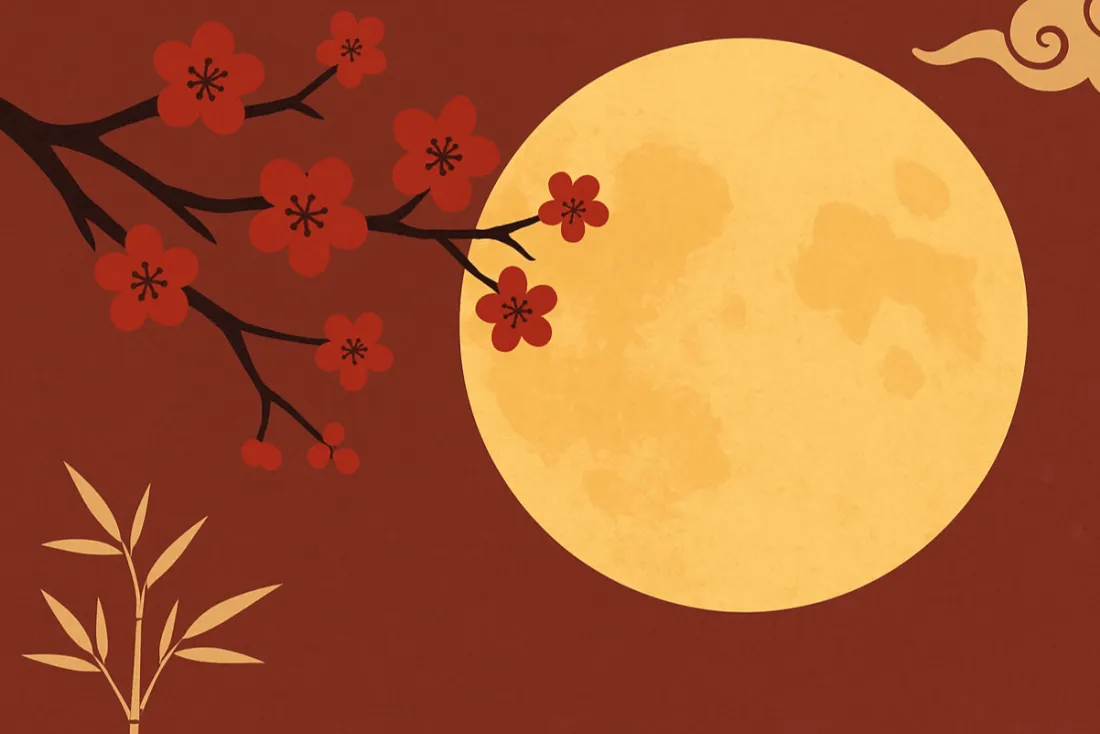
Unlike the calendar we use every day, the Chinese lunar calendar does not follow a constant, unchanging pattern. Based on the movements of the Moon and aligned with the Sun’s cycles, it follows the rhythms of nature and offers a different perspective on time. This ancient system has been in use for over 4,000 years and still plays an important role in Chinese culture – from setting the dates of festivals and guiding agricultural work to influencing astrology and everyday decision-making.
If you’ve ever wondered why Chinese New Year doesn’t fall on the same date each year, what it really means when someone says they were born in the Year of the Dragon, or how the dates of Chinese festivals are determined – this is the perfect place to start. In the following sections, I’ll explain how the Chinese lunar calendar works and why understanding it offers a deeper insight into the traditions, rhythms, and symbolism of the Chinese world.
How the Chinese Lunar Calendar Works
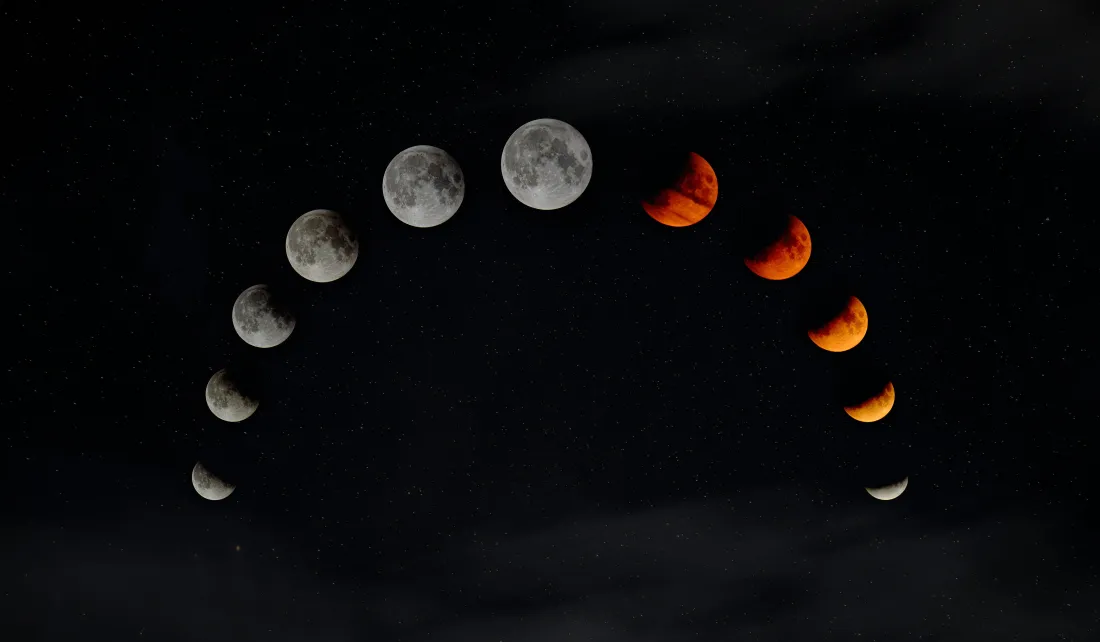
The Chinese calendar is lunisolar, meaning it combines the movement of the Moon (the lunar cycle) with the movement of the Sun (the solar cycle). Unlike the Gregorian calendar, which follows only the solar year, the Chinese calendar uses the phases of the Moon to mark months, while the solar cycle keeps the entire year in sync with the seasons.
Each year has 12 lunar months, starting at the time of the new moon. However, since each lunar month lasts about 29.5 days, a lunar year is shorter than a solar year. It roughly lasts 354 days. To make up the difference and keep the calendar aligned with the changing seasons, a 13th month is occasionally added. These years, called leap (or intercalary) years, occur roughly every two to three years.
This is why Chinese New Year doesn’t fall on a fixed date. Instead, it’s celebrated between 21 January and 20 February, always on the second new moon after the winter solstice.
Years and Zodiac Signs in the Chinese Lunar Calendar
One of the most well-known features of the Chinese calendar is its zodiac, made up of 12 animal signs. Each year in the lunar cycle is associated with one of these animals:
Rat, Ox, Tiger, Rabbit, Dragon, Snake, Horse, Goat, Monkey, Rooster, Dog, and Pig.
This zodiac cycle repeats every 12 years, and according to Chinese tradition, the sign of the year in which you were born influences your personality, destiny, and compatibility with others.
The Legend of the Great Race
According to Chinese legend, the Jade Emperor (玉帝, Yù Huáng), the divine ruler of Heaven, decided to determine the order of the years in the calendar through a race between animals. He invited all the animals and announced that the first twelve to cross a river would each have a place in the zodiac, in the order they reached the finish line.
On the day of the race, the Rat, although the smallest, proved to be the most resourceful. Knowing it couldn’t swim across the river on its own, it asked the Ox to carry it on its back. Just before reaching the opposite bank, the Rat leapt forward and crossed the finish line first. Behind it came the Ox, Tiger, Rabbit, Dragon, Snake, Horse, Goat, Monkey, Rooster, Dog, and finally the Pig – who had paused along the way to eat and take a nap.
And so, the order of the zodiac animals was set, with each sign assigned to one year in the twelve-year cycle.
The Five Elements and the 60-Year Cycle
In addition to its animal sign, each year is also associated with one of the five elements: Wood, Fire, Earth, Metal, and Water. When the 12 animals are combined with the five elements (each in its yin and yang form), they create a 60-year cycle. This cycle forms the basis of traditional timekeeping in China.
For example, the Year of the Wood Dragon occurs only once every 60 years.
The Zodiac in Everyday Life
In China, zodiac signs are used for much more than horoscopes. They influence:
- choosing names for newborns
- planning marriages (sign compatibility)
- business decisions
- feng shui assessments
In addition, the year of your own sign (Ben Ming Nian) is traditionally considered a challenging one, calling for extra care and protection – people often wear red clothing or lucky charms during that year.
Festivals and Traditions in the Chinese Lunar Calendar
The Chinese lunar calendar is not just a way of measuring time – it shapes the rhythm of celebrations, customs, and cultural rituals. The most important festivals are not tied to fixed dates, but to specific lunar days and moon phases, which means their dates change from year to year.
Chinese New Year (Spring Festival, 春节)
The most important festival in the Chinese calendar, it begins on the second new moon after the winter solstice, usually in late January or early February. It lasts for 15 days and ends with the Lantern Festival. Celebrations include family reunions, house cleaning, giving gifts in red envelopes, and fireworks.
Lantern Festival (元宵节)
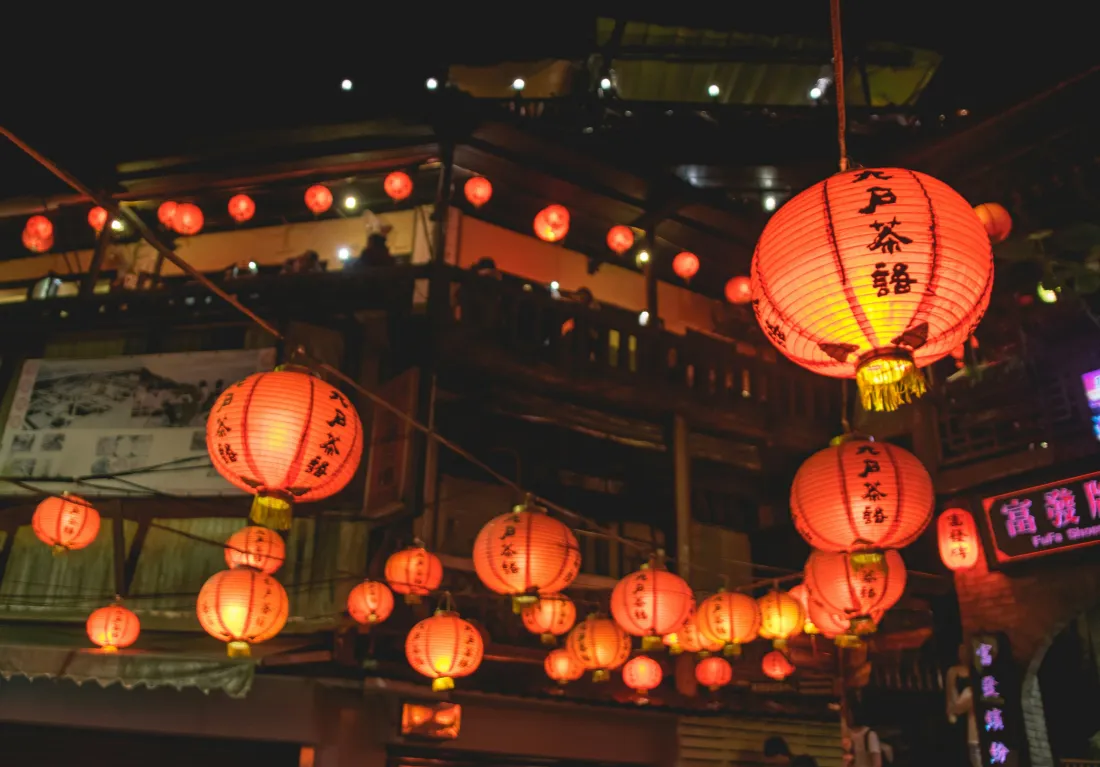
Falling on the 15th day of the first lunar month, it marks the end of the New Year festivities. People light lanterns, organise parades, and eat traditional sweet rice dumplings (tangyuan), a symbol of togetherness.
Dragon Boat Festival (端午节)
Celebrated on the 5th day of the 5th lunar month, dragon boat races are held in memory of the poet Qu Yuan. People eat zongzi – glutinous rice wrapped in bamboo leaves.
Mid-Autumn Festival (中秋节)
Observed on the 15th day of the 8th lunar month, when the moon is at its fullest and brightest. Families gather to admire the moon and eat mooncakes, symbolising wholeness and unity.
The Chinese Lunar Calendar Today: A Living Tradition
Although the Gregorian calendar dominates daily life in China, the Chinese lunar calendar is still used alongside it, especially for:
- festivals and celebrations
- astrology and horoscopes
- planning major life events (weddings, moving house, starting a business)
- traditions linked to feng shui and personal luck cycles
Many Chinese people consult the lunar calendar when choosing an “auspicious date” for:
- getting married
- opening a business
- moving into a new home
- even getting a haircut or having surgery!
Astrology and Feng Shui
Chinese astrology is not just “newspaper entertainment” – it is used for serious analyses of personality, compatibility, and destiny. The combination of zodiac sign, element, and date of birth creates a complex astrological profile.
Feng shui consultants often draw on information from the lunar calendar to align spaces and activities with energetic cycles.
In Rhythm with Nature
The calendar still plays an important role in agriculture, especially in rural areas, as it includes 24 solar terms (jieqi) that mark seasonal changes, periods of rainfall, and the optimal times for planting and harvesting.
Why the Chinese Lunar Calendar Still Matters
Understanding the Chinese lunar calendar is not just about knowing the dates of festivals. It offers insight into a way of thinking that connects people with nature, with time, and with rhythms that are not always visible, yet are deeply present.
What Secrets Does the Chinese Lunar Calendar Hold?
Fun Facts and Frequently Asked Questions
Why does Chinese New Year “move” each year?
Because it is based on the lunar cycle – specifically, it is celebrated on the second new moon after the winter solstice. This means it falls between 21 January and 20 February, always on a different date.
The year of your sign is not the luckiest
In Chinese belief, the year when your own zodiac sign returns (Ben Ming Nian) can bring challenges, instability, and a need for extra caution. People often wear red (underwear, bracelets, charms) for good luck and protection during that year.
Not all years are the same length
Due to the occasional addition of a 13th month (in leap years), some lunar years have more days than others. The leap month does not occur every year nor in the same place – it is added according to complex astronomical rules.
The lunar calendar is used beyond China
Similar lunisolar calendars are also used in Vietnam, Korea, Japan (historically), and among Chinese communities around the world. Although festival dates sometimes differ, the basic system remains very similar.
The Chinese calendar has its own year count
The current year in the Chinese calendar (2025 in the Gregorian system) is the Year of the Wood Snake and part of the 60-year cycle. According to traditional reckoning, Chinese civilisation counts more than 4,700 years of history.
Quick Overview:
- The Chinese calendar is lunisolar, following both the Moon and the Sun
- It has 12 (sometimes 13) months
- Festival dates shift each year
- The zodiac includes 12 animals + 5 elements = a 60-year cycle
- Still used today for astrology, feng shui, major life decisions, and festivals
Conclusion
The Chinese lunar calendar is not just an old-fashioned way of telling time – it is a living system that connects nature, spirituality, tradition, and everyday life. Understanding its principles helps us appreciate the deeper meaning behind Chinese festivals, customs, and symbolism.
For more content like this, follow the blog and Instagram!