


The Chinese TV series Mobius (不眠日, Bù mián rì), which premiered in September, has already caught the attention of viewers worldwide. It currently holds a 7.5/10 rating on Douban and has earned praise for its acting, atmosphere, and intriguing storyline. The title Mobius comes from the Möbius strip — a geometric figure with a single surface and edge — symbolising infinity and repetition. Its Chinese title, 不眠日 (Bù mián rì), literally means “sleepless day”, perfectly hinting at the show’s central concept — an endless time loop the characters struggle to escape.
From the perspective of someone who studies and teaches Chinese, I’d like to share my impressions not only of the plot and themes, but also of how this series can serve as a valuable learning resource. It offers exposure to authentic spoken Chinese and plenty of opportunities to train your ear to the natural rhythm of the language.
What is Mobius?
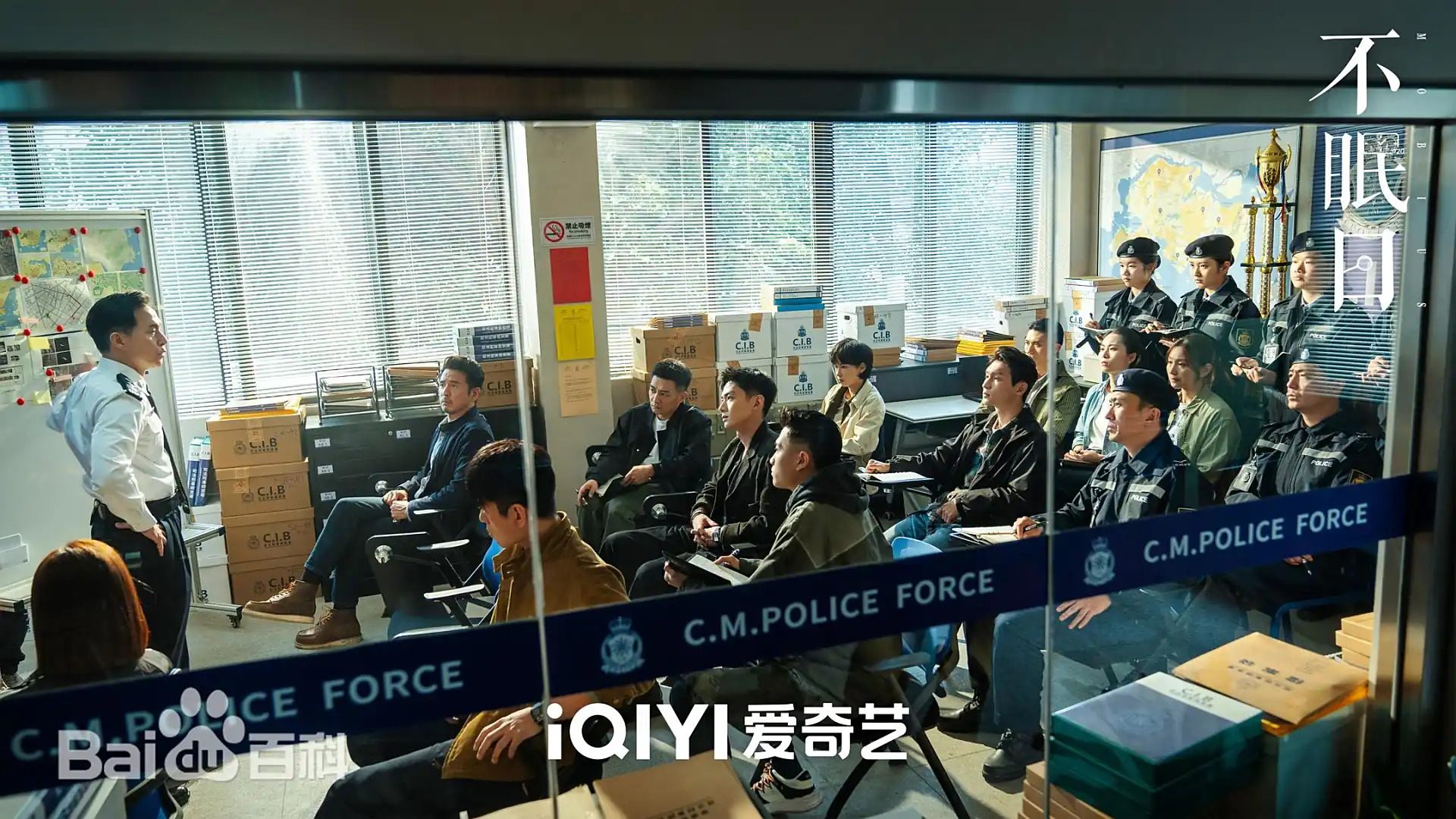
Mobius is a new Chinese sci-fi thriller and mystery series with time travel at its core. It premiered on September 17, 2025, on iQIYI and Netflix, and its first season consists of 16 episodes, each lasting about 45 minutes. The series is adapted from Zhang Xiaomao’s novel Time-Reversal Investigation Unit (逆时侦查组, Nìshí zhēnchá zǔ).
The production was led by iQIYI — known for its contemporary Chinese dramas — in collaboration with Linmon Pictures and Youhug Media. The main cast includes Bai Jingting (as Detective Ding Qi), Janice Man (as An Lan), Song Yang (as Mo Yuan Zhi), among others, with Liu Zhangmu directing. Filming took place across Guangdong, Hong Kong, and Macau. Despite its complex time-loop premise, Mobius quickly captured both audience and critical attention, praised for its visual style, editing, originality, and suspenseful atmosphere.
What drew me to Mobius was its mystery, a story full of twists, tension, and uncertainty, all things I love in a series. I’ve always enjoyed shows that make you think and connect the dots, and this one hooked me right from the first episode. The gripping plot kept me watching almost without a break. From a linguistic point of view, the series also offers an interesting mix of Mandarin dialogue with occasional Cantonese elements. It’s fascinating to hear authentic speech in different contexts, making Mobius a great recommendation for anyone learning Chinese who enjoys improving their listening skills through film and television.
What is Mobius really about?
The story takes place in the fictional city of Hua’ao, which clearly resembles Macau. From the street scenes and driving on the left-hand side (as in Hong Kong and Macau) to the occasional blend of Mandarin and Cantonese, the setting draws heavily on this part of China. At first glance, it looks like an ordinary modern city — until people’s lives suddenly begin repeating in time loops.
Mobius weaves together elements of mystery, science fiction and psychological drama, creating a tense, immersive atmosphere where nothing is quite as it seems. Layered within the main story are subtle hints of romance that bring warmth and emotional depth to the otherwise suspenseful plot.
The main character, Detective Ding Qi, discovers that he has an unusual ability: he can live certain days in loops, five times, while retaining memories from each previous loop. He uses this gift to solve cases and prevent crimes, though there’s a catch — he can’t choose which days to relive; only specific, seemingly random ones are caught in the loop. As Ding Qi tries to make the most of his strange power, he becomes entangled in a web of unsolved cases, corporate secrets, and personal tragedies.
Although the series is officially classified as science fiction, Mobius is equally a reflection on choice, memory and moral responsibility. Each episode reveals new layers of both the story and the characters’ emotions — from fear and loss to hope and redemption. It’s precisely this combination of suspense and humanity that makes Mobius stand out among recent Chinese dramas.
Mobius as an Opportunity to Learn Chinese
Although I’d love to say that films and TV dramas suit learners of all levels, the reality is that Mobius will only be fully understandable without subtitles to those with an advanced command of Chinese. The dialogues are fast-paced, and the investigation and scientific scenes contain quite a bit of specialised vocabulary.
For more advanced learners, the most rewarding aspect of Mobius is the language itself: natural dialogues and contemporary expressions. The characters speak the way people do in everyday life, using tone and phrasing typical of urban, modern Mandarin. The story unfolds in realistic contexts such as police investigations, office conversations, and family interactions. This gives learners the chance to hear how the language shifts across different settings, from formal to casual. The sentences are generally short, pronunciation clear, and the pace moderate, making the series suitable even for upper-intermediate viewers. Watching with Chinese subtitles can be particularly helpful, as it strengthens both character recognition and listening comprehension.
Beginners, too, can enjoy the series and learn from it. If you’re just starting out, it’s enough to follow along with subtitles, listen passively, and try to catch familiar phrases. This gradual exposure helps your ear adjust to the rhythm and melody of Mandarin, which is valuable even if you don’t understand every word. You can also pay attention to on-screen text—such as place names, numbers, or short signs—which appear frequently throughout the episodes.
Visual Cues and Learning Through Imagery
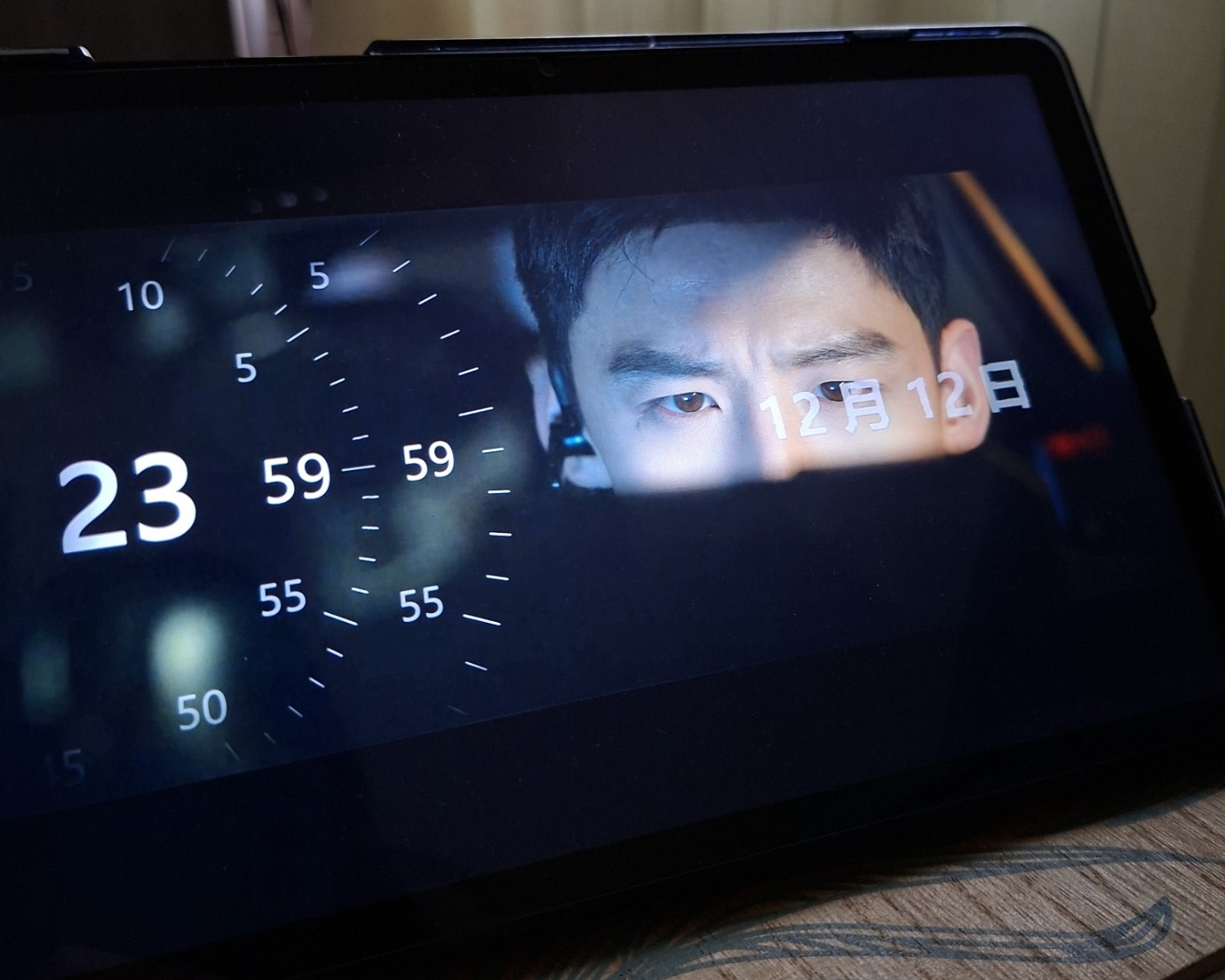
Another aspect I particularly appreciated was how Mobius uses visual cues to support storytelling and comprehension. One of the most striking visual elements in Mobius is the way time indicators appear on screen. Throughout each episode, we repeatedly see captions showing the date, hour, time of day, and even the number of the current time loop. These details are a great opportunity for beginners to recognise Chinese characters for days, numbers, and time expressions. Learners at higher levels can also use them as a fun way to review familiar vocabulary.
Although the story itself is quite complex, the way the series uses visuals and on-screen text to represent the passage of time makes it both clear and educational from a language-learning perspective. Even without full linguistic comprehension, viewers can follow the storyline through context, acting, and visual cues. It’s a wonderful example of how imagery can support the process of learning Chinese.
I’ve highlighted a few words and phrases that appear multiple times throughout the series and are also useful in everyday conversation. They’re an excellent way to pick up and recognise new characters naturally—without the effort of rote memorisation.
Time-related Vocabulary
| 汉字 | Pinyin | Meaning |
| 今天 | jīntiān | today |
| 明天 | míngtiān | tomorrow |
| 昨天 | zuótiān | yesterday |
| 清晨 | qīngchén | early morning, dawn |
| 早上 | zǎoshang | morning |
| 上午 | shàngwǔ | before noon |
| 下午 | xiàwǔ | afternoon |
| 晚上 | wǎnshang | evening |
| 午夜 | wǔyè | midnight |
| 年 | nián | year |
| 月 | yuè | month |
| 日 | rì | day |
| 点 | diǎn | o’clock |
| 分钟 | fēnzhōng | minute |
| 循环日 | xúnhuán rì | loop day / repeated day |
| 第 | dì | for ordinal numbers |
| 第三次 | dì sān cì | the third time |
| 几天前 | jǐ tiān qián | a few days ago |
| 八年前 | bā nián qián | eight years ago |
| 后来 | hòulái | later, afterwards |
Common Signage and Notices
| 汉字 | Pinyin | Meaning |
| 入口 | rùkǒu | entrance |
| 出口 | chūkǒu | exit |
| 门 | mén | door |
| 推 | tuī | push |
| 拉 | lā | pull |
| 禁止 | jìnzhǐ | prohibited |
| 小心 | xiǎoxīn | caution / watch out |
| 危险 | wēixiǎn | danger / hazardous |
| 请勿入内 | qǐng wù rùnèi | please do not enter |
| 电梯 | diàntī | elevator / lift |
| 楼上 | lóu shàng | upstairs |
| 楼下 | lóu xià | downstairs |
| 洗手间 | xǐshǒujiān | restroom / toilet |
| 禁烟 | jìnyān | no smoking |
| 安全出口 | ānquán chūkǒu | emergency exit |
Film and TV Vocabulary
| 汉字 | Pinyin | Meaning |
| 电影 | diànyǐng | movie / film |
| 电视剧 | diànshìjù | TV series |
| 集 | jí | episode |
| 演员 | yǎnyuán | actor / actress |
| 导演 | dǎoyǎn | director |
| 编剧 | biānjù | screenwriter |
| 制片人 | zhìpiànrén | producer |
| 片头 | piàntóu | opening credits / intro |
| 片尾 | piànwěi | closing credits / outro |
| 预告 | yùgào | trailer / preview |
Final Thoughts on Mobius
Mobius is more than just an exciting series — it’s a gentle reminder that learning doesn’t have to stop when we relax in front of a screen. Whether you’re actively picking up new phrases or simply tuning in to the rhythm of the language, every scene can be a small step towards understanding Chinese. Sometimes, it’s through series and films that we learn the most — and best of all, we can truly enjoy ourselves along the way.
If you’d like to discover more fascinating insights into the Chinese language, TV dramas and culture, follow my blog! New posts and recommendations are coming soon!