


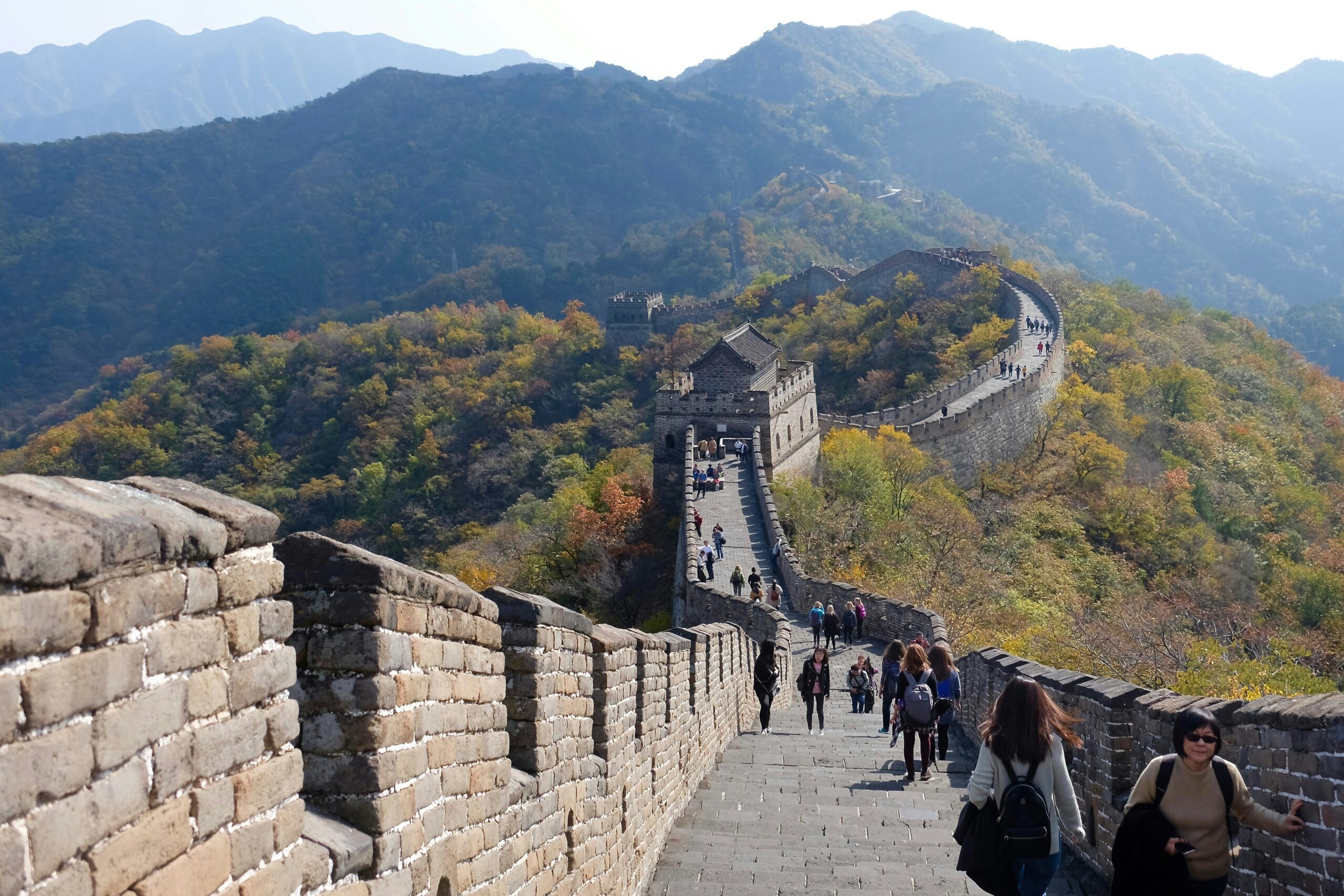
China is a country that captivates with its sheer scale, rich history, vibrant culture, and striking contrasts. From cutting-edge megacities to ancient temples, from densely populated regions to vast stretches of untouched nature – getting to know some key facts about China’s geography, demographics, and spiritual legacy helps us better understand its complexity and growing global significance.
Geography and Demographics
Officially known as the People’s Republic of China, it is the second most populated country in the world and the third largest by land area. China is home to around 1.412 billion people and covers an area of 9,596,960 square kilometres across East and Central Asia. Since the founding of the People’s Republic, China has been a communist state, currently led by President Xi Jinping. The official currency is the yuan (¥), which is roughly equivalent to 13 euro cents.
China is made up of 56 recognised ethnic groups, with the Han Chinese making up more than 90% of the population. Most people live in the more developed northeastern part of the country, particularly along the East China Sea coast and the major river valleys. These areas are also the country’s main economic hubs. By contrast, the inland regions are less developed, with agriculture remaining the primary livelihood for many.
Spiritual and Cultural Heritage
The key philosophical and religious traditions in China are Confucianism, Buddhism, and Daoism. The country’s most iconic cities include Beijing, Shanghai, Xi’an, and Chengdu. World-famous landmarks such as the Great Wall, the Forbidden City, and the Terracotta Warriors draw millions of visitors each year. One of the most beloved symbols of China is the giant panda, and the national flower is the plum blossom.
China’s civilisation is one of the oldest in the world, with a continuous history stretching back over 6,000 years. From the unification of the country in 221 BCE until the early 20th century, China was ruled by a succession of eight imperial dynasties. Over this long span of time, it developed a distinctive and diverse culture that has made a profound impact on global heritage.
Did You Know?
-
- China has more than 160 cities with population exceeding one million.
- The Yangtze is the longest river in China and the third longest in the world.
- The giant panda is considered a national treasure of China and a symbol of peace.
- The Great Wall stretches over 21,000 kilometres – nearly one and a half times the Earth’s diameter!
- Despite spanning five geographical time zones, China uses just one official time zone.
Final Thoughts
China is far more than just statistics and maps – it’s a country where tradition and modernity exist side by side. If you’re curious about the Chinese language, culture, or are thinking of visiting this extraordinary land, follow my blog and Instagram for more content that will take you deeper into its fascinating world.